
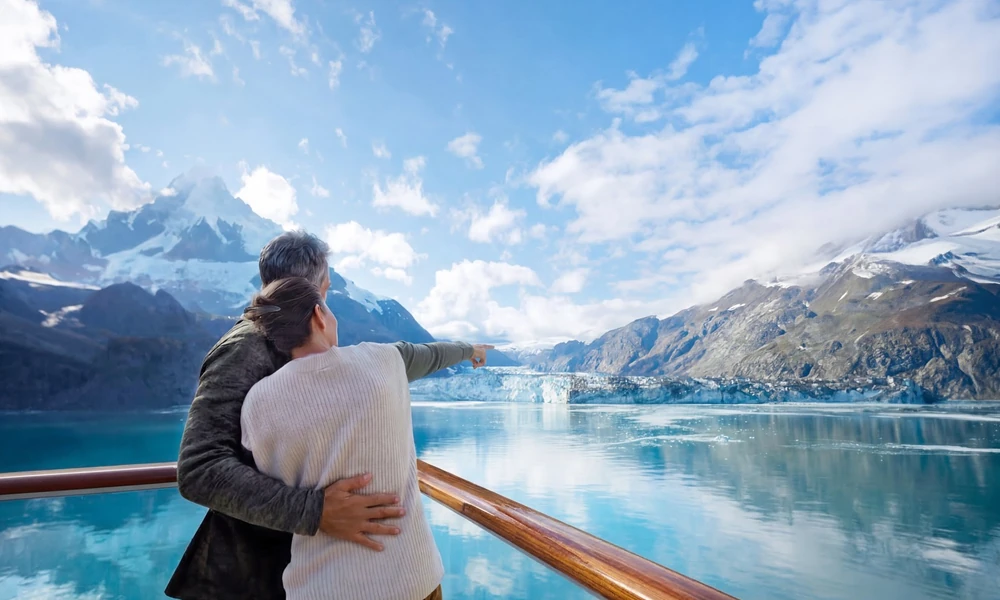
Alaska has a way of resisting the checklist approach to travel. It’s a place defined by scale – massive glaciers, endless coastline, wildlife that operates on its own schedule regardless of anyone’s itinerary – and that scale doesn’t compress well into a rushed trip. Travelers who try to treat Alaska like a European city tour, cramming in as many stops as possible, tend to come away feeling like they saw a lot without actually experiencing much. Alaska rewards a different pace, and understanding why can change how you plan the whole trip.
Wildlife Doesn’t Work on a Schedule
One of the clearest reasons Alaska resists rushed travel is that its biggest draws are entirely outside anyone’s control. Whales surface when they surface. Bears fish when the salmon run dictates, not when a tour bus arrives. Travelers moving quickly from stop to stop often miss these moments simply because they weren’t in the right place long enough for them to happen. Slower travel – spending real time in fewer locations rather than racing between many – dramatically increases the odds of actually witnessing the wildlife encounters that drew people to Alaska in the first place.
The Landscape Rewards Patience
Alaska’s glaciers, fjords, and mountain ranges aren’t the kind of scenery that reveals itself in a five-minute photo stop. Light shifts dramatically throughout the day, weather can transform a view entirely within an hour, and some of the most striking moments – a glacier calving, fog lifting off a mountain range, the specific gold light of a subarctic evening – happen on their own timeline. Visitors who build in unstructured time, rather than treating every stop as a quick box to check, are simply more likely to be present when the landscape does something remarkable.
The Mental Shift From Seeing to Experiencing
There’s a meaningful difference between seeing a place and experiencing it, and Alaska tends to expose that difference more than most destinations. Seeing Alaska might mean photographing a glacier from a viewpoint for ten minutes before moving on. Experiencing it might mean sitting near that same glacier long enough to hear it groan and shift, or to watch how the light changes across the ice over the course of an hour. Neither approach is wrong, but travelers consistently report that the slower version is what actually stays with them once the trip is over.
Fewer Stops, Deeper Connection
Alaska’s sheer geographic scale makes the “more stops equals better trip” mentality especially counterproductive. The distances between major destinations are enormous – Anchorage to Juneau isn’t a quick regional hop, and cramming in too many disconnected stops usually means sacrificing meaningful time in any single place. Travelers who instead choose a handful of destinations and commit to spending real time in each tend to walk away with a much richer understanding of the state than those who tried to see everything and, in practice, absorbed very little of it.
Local Life Runs on a Different Clock
Many of Alaska’s coastal and remote communities operate on rhythms shaped by fishing seasons, weather, and daylight rather than tourist schedules. Visitors who slow down enough to actually engage with that rhythm – lingering at a harbor as boats come in, talking with locals rather than just photographing them, letting an afternoon go unplanned – tend to get a far more genuine sense of place than those moving too fast to notice any of it. Alaska isn’t a backdrop; it’s a place where people actually live according to a calendar most visitors never think about.
How to Build a Slower Alaska Trip
A few practical shifts make unhurried travel through Alaska easier to plan:
- Choose fewer regions and stay longer. Southeast Alaska’s coastal towns alone could fill an entire trip without ever venturing further north.
- Leave gaps in the schedule. Unplanned time is often when the best wildlife sightings and local encounters actually happen.
- Prioritize experiences over checklist items. A long, unhurried wildlife-watching session usually delivers more than a rushed stop at five different viewpoints.
This kind of pacing is part of why Alaskan cruises have become such a natural fit for slower Alaska travel – routes built around the coastline mean the scenery itself becomes part of the unhurried experience, rather than something squeezed between transit connections, and stops in port towns leave room to actually settle into a place instead of rushing through it.
For travelers who want a sense of how much daylight and seasonal rhythm shapes life across the state, state-run resources tracking regional weather and daylight patterns offer useful context for understanding why timing matters so much here.
Slow Is the Point
Alaska isn’t a place that rewards efficiency in the traditional travel sense. Its biggest draws – wildlife, light, scale, silence – are the kind of things that only reveal themselves to people willing to actually wait for them. Travelers who embrace that, rather than fighting it with an overpacked itinerary, tend to come home with the kind of stories that don’t fade quickly: not a list of places visited, but a handful of moments that genuinely felt like Alaska.
