
A hotel near patong beach can mean three different things. Some open right onto the sand. Others face the beach road. Plenty more sit two or three streets back and still put “beach” in their name. Price changes with that distance. So does noise.
Three Kinds of Beach Location
Beachfront hotels open straight onto the sand. Guests walk from the room to the water without crossing a road. These are rare in busy beach towns. Rooms here cost the most.
Beach road hotels face the sand from across the street. Getting to the water is quick. Getting across the road is the slow part, with scooters and tour buses passing from early morning on.
Second row hotels are one or more blocks back. Expect a walk of 5 to 15 minutes. Rates drop noticeably. Rooms are often bigger for the same money, and noodle stalls and small shops are a few steps away.
The Road Between Hotel and Sand
Most beach towns have a main road running along the shore. Traffic starts early. At midnight it still hasn’t slowed much.
Bags and small children make crossing harder. Marked crossings can be far apart. On some stretches, stalls and parked bikes fill the footpath, so people walk on the road edge instead. A few hotels keep a staff member at the gate to help guests across. It’s worth asking about this when booking.
Road noise reaches the rooms as well. Front facing rooms on low floors hear the most. A high floor room at the back hears very little.
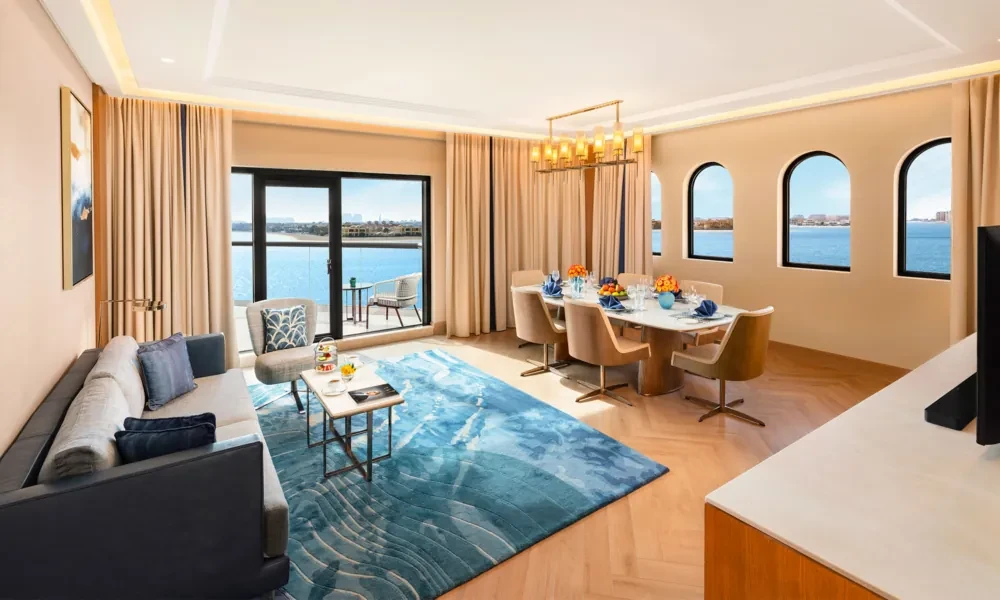
Sea View, Pool View and Garden View
Each view category comes at a different price. Here is how the labels compare at most hotels.
- Sea view. Upper floors facing the water. Usually the highest rate.
- Partial sea view. The sea shows at an angle from the balcony, or between buildings.
- Pool view. Busy around lunch. Calm after dark.
- Garden view. Often the cheapest, and sometimes the calmest rooms in the hotel.
- Street view. Faces the road or the building next door.
“Partial sea view” deserves a close look. At some hotels it means a thin strip of blue between two walls.
Floor number counts too. From the second floor, a sea view room might mostly see palm tops and the car park.
What a Short Walk Changes
Location changes small daily habits. Guests close to the sand go back and forth more often. A swim before breakfast is easy. Coming back to the room at 1 pm, when the sun is strongest, takes two minutes.
Guests further back plan differently. One long beach trip a day is common. Water, snacks and a dry shirt all go in one bag. Sunscreen sold at stalls near the sand costs more than in town shops.
Families with small children like short trips. Couples on longer stays may not mind the walk at all.
Matching Distance to the Travel Group
For anyone comparing a hotel near patong beach with cheaper ones further back, the travel group is a good starting point.
Older travellers find short distances easier. People with limited mobility do too. Parents with a baby carry a stroller and a heavy bag, and they feel every extra block. Short stays favour being close as well. On a two night trip, half an hour of walking each day is a real loss.
Longer stays work differently. Seven nights at a second row hotel can save enough to pay for a boat trip or several good dinners.
